How can the conversational framework influence the design of a cMOOC? Can a cMOOC be an advantage for elearning professional development? Can rethinking the classroom in the digital age be a good example of a cMOOC where the aim is to provide access, increase flexibility while supporting the development of a community of practice where ideas and experiences are shared among individuals who may maintain contact beyond the course. This will be the focus of my design of the mooc on rethinking the classroom-every aspect of the course will be largely dependent on the connection and communications on the course. The Personal Knowledge Management (PKM) skills model will still come in handy as there needs to be initiative and motivation for enrolling and maintaining a presence in the course…
Tag Archives: networking
Joining the dots: networking, capacity and policy
While thinking about the PhD – value of networks in developing capacity – I explore the key features of our university policy on staff professional development and how it relates to academic citizenship.
University is committed to providing its academic staff with the opportunity to become excellent teachers and leading scholars and researchers in their fields, and to developing their managerial, leadership and technical abilities. One of the applied principles is that orientation and induction; mentoring; training as a lecturer/tutor; training for academic heads; and development in academic leadership, are important for the development of good practice. Professional development includes: technical skill development to help academic staff to teach or research more effectively; mentoring to provide staff with advice and support and a sounding board for self-review and appraisal; and work culture development.
Continue readingGeneration “MySpace”
Social networking and its impact on students and education
This was my first overseas seminar since joining the University of Auckland as an academic in Technology Enhanced Learning. The seminar – focused on social networking – began with Dr. Dahle Suggett raising important issues around social networking and its impact on the social and emotional wellbeing of our youth. According to him, social networking begins a new era of cultural management where it becomes essential for educators and school administrators to plan the management of the social aspects of technologies. Many schools and universities end up blocking the access to tools such as ‘YouTube’ and ‘MySpace’. Is this the right approach? How do schools respond to students’ use of advanced technologies?

Keynote by danah boyd
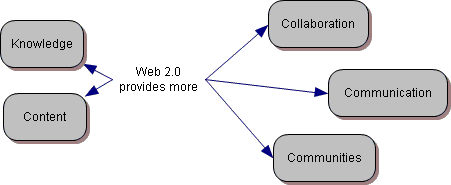
Networked publics concept began with the inception of Usenet in 1979. Web 2.0 has provided more opportunity for networking in the public sphere with the use of modern social networking tools.