A search on writing, dressing and style, revealed a rather humorous, unrelated article on styling and dressing, in the sense of, you guessed it, fashion! What resonated with me, however, was the implied message in the article. Irrespective of the designer style or label, the height of the wearer has an impact on the overall impression of the garment. Much like the stage we are at in our research career, has an influence on the liberty we have to make bold statements with our writing. This post is very much a reflection of my own writing journey, not research writing per se but writing in general.
Continue readingTag Archives: identity
Writing about my teaching
A Teaching Profile focuses on the core values, signature pedagogies, personal style and beliefs in our teaching. Various ways to formulate a readable profile include the use of metaphors, illustration or drawing, lists of guiding values, attitudes or ethics, signature pedagogies, past influential experiences and details of student expectations and achievements.
What is my Teaching Philosophy and Approach?
As an early career academic, I aspire to be an inspirational and research-informed, responsive teacher. I always think of teaching and learning design as a smart balancing act. Very much like a trapeze artist, you need to be brave and bold to take risks, and accept that one fall will potentially inflict long-term damage but recovery is possible. The whole experience is important to perfect the act, if perfection is at all possible. My teaching philosophy and aspirations are best represented by a famous Richard Bach (n.d.) quote: You teach best what you most need to learn. With the rapidly changing technologies and transforming classrooms, teaching in the area of elearning is always a personal learning experience. There is a considerable amount of balancing required based on the context, skills and experiences of target audiences, access and availability of media and technologies and above all the learning approach. I prefer to take an eclectic approach to “use what works” (Mergel, 1998) and do frequently draw on a combination of learning theories as and when appropriate.
Generation “MySpace”
Social networking and its impact on students and education
This was my first overseas seminar since joining the University of Auckland as an academic in Technology Enhanced Learning. The seminar – focused on social networking – began with Dr. Dahle Suggett raising important issues around social networking and its impact on the social and emotional wellbeing of our youth. According to him, social networking begins a new era of cultural management where it becomes essential for educators and school administrators to plan the management of the social aspects of technologies. Many schools and universities end up blocking the access to tools such as ‘YouTube’ and ‘MySpace’. Is this the right approach? How do schools respond to students’ use of advanced technologies?

Keynote by danah boyd
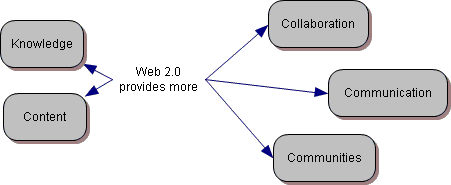
Networked publics concept began with the inception of Usenet in 1979. Web 2.0 has provided more opportunity for networking in the public sphere with the use of modern social networking tools.