Related page: Curriculum design
Massive open online courses (MOOCs) are touted as a disruptive change in higher education. People use current digital tools to connect fragmented and distributed knowledge. Though I am of the opinion that MOOCs aren’t a good example of online learning, I acknowledge the opportunities such environments can provide. For learners to access a wider variety of educational resources/experiences and teachers to experiment with online education and build capacity to do it better in high stakes learning environments. I have worked on both agendas.
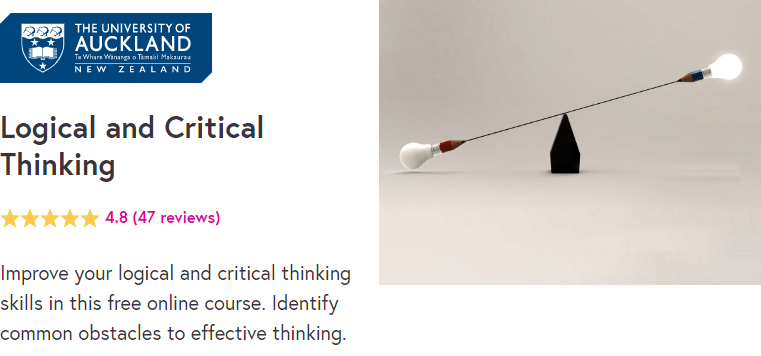
With ambitious fellow academics and media production specialists, I designed the Logical and Critical Thinking MOOC for FutureLearn. It is one of the most successful MOOCs on the platform. Our ultimate goal was to use this experience to design and teach a fully online Philosophy paper at the University.
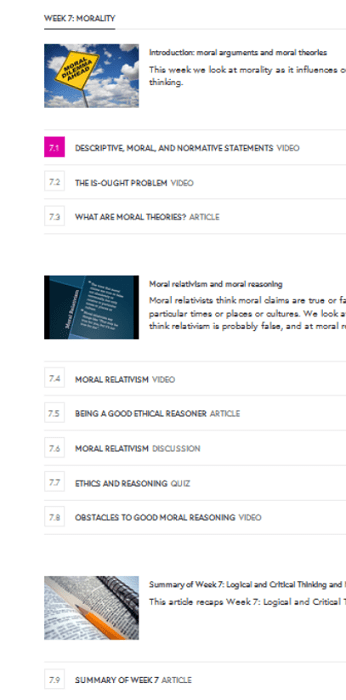
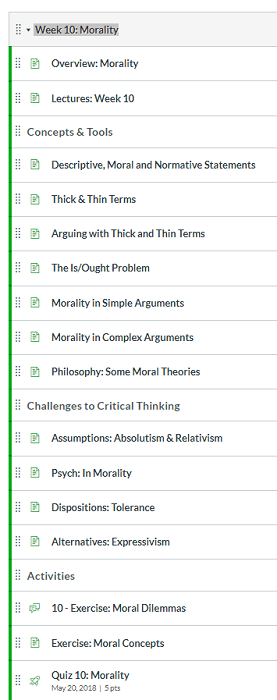
You can see below how the content was repurposed for different audiences, institutional requirements and platform. MOOC learners had the flexibility to choose between modules but the university course required successful completion of all modules for a credit. The content of the credit bearing course was more detailed and scaffolded for portfolio like assessment.
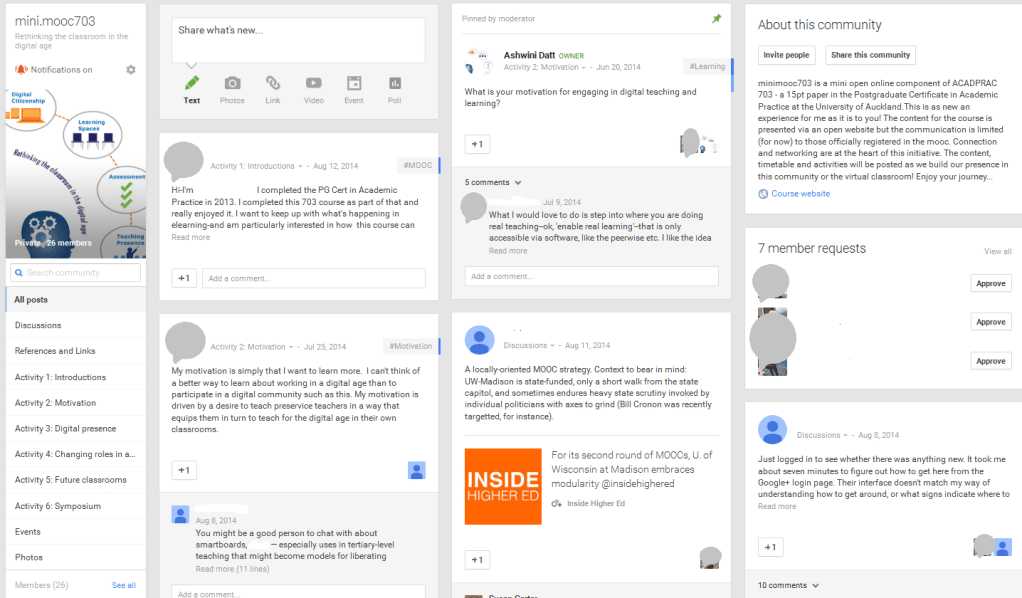
In another approach to help academics develop capacity for online teaching, I developed an experiential learning opportunity with a mooc (mini open online component) version of the Digital Teaching and Learning postgraduate paper. I look to develop this opportunity further, incorporating inclusive teaching strategies.
For further reference:
Datt, A. K. (2018). Teaching with technologies: The metamorphosing educator. Paper presented at Scholarship of Technology Enhanced Learning (SoTEL), Auckland, New Zealand. 15 February – 16 February 2018. [Online]
Datt, A. K. (2017). Learning to teach online through massive open online course (MOOC) design and facilitation. INTED2017 Proceedings, 3519-3525. Valencia, Spain: IATED. 10.21125/inted.2017.0875
 Ashwini Datt